

 Image 1 of 1
Most of us are careful about where we spend ourselves. We give our time and our patience to people who seem likely to use them well, and we call that being wise with what we have. Underneath it there is usually a ledger, and the ledger has names on it.
God does not keep that ledger.
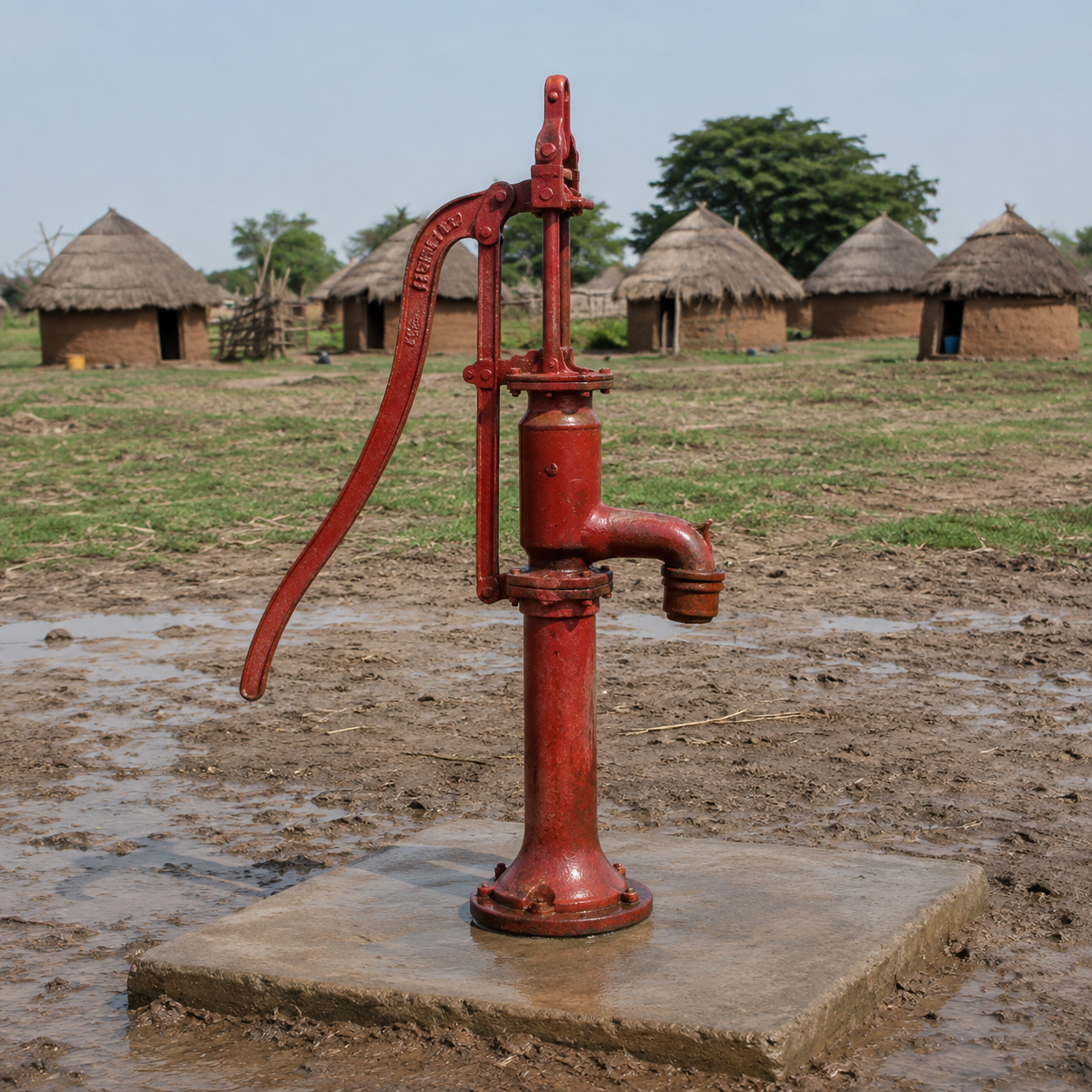
Living Water is a Bible study on grace, usefulness, and mercy that arrives without being earned. It is built on John 7:37, Isaiah 45, Jeremiah 2:13, and the conversation at the well in John 4, and it runs on a true story: a hand pump in northern Ghana that had been dead for a week, a hundred and fifty feet of steel drop pipe hauled out of the ground by hand, and the man who did the work while he was still an atheist and gave himself the credit.
The study does not promise that the people you have written off will change, and it does not tell you that your caution was wrong. It asks a harder question: what your help was actually for, and whether you are willing to admit that you are one of the thirsty ones.
This study explores:
● why love that comes with a condition attached to it proves nothing
● what it means that God girded Cyrus, a king who did not know him
● how God can be at work in a season when you are giving yourself the credit
● why the real break is below the surface, where nothing looks wrong
● the difference between a form of godliness and water that still comes up
● what Jesus asked the woman at the well for before he offered her anything
● why thirst is the only qualification Jesus names
● how a vessel is useful without getting to choose who benefits from it
This Bible study kit includes:
● a complete printable Bible study
● Scripture-based teaching centered on John 7, John 4, and Isaiah 45
● a personal narrative on a broken water pump in northern Ghana
● reflection and group discussion questions
● practical application exercises
● a closing prayer
● PowerPoint teaching slides
● printable PDFs of the study and presentation
Best for:
● personal Bible study
● small groups and Sunday school
● discipleship and mentoring
● readers rethinking who they are still willing to help
● mission teams, relief workers, and people in the helping professions
● pastoral care, recovery, and outreach ministry
Estimated study time: 60-90 minutes for group study or 30-45 minutes for personal study.
Most of us are careful about where we spend ourselves. We give our time and our patience to people who seem likely to use them well, and we call that being wise with what we have. Underneath it there is usually a ledger, and the ledger has names on it.
God does not keep that ledger.
Living Water is a Bible study on grace, usefulness, and mercy that arrives without being earned. It is built on John 7:37, Isaiah 45, Jeremiah 2:13, and the conversation at the well in John 4, and it runs on a true story: a hand pump in northern Ghana that had been dead for a week, a hundred and fifty feet of steel drop pipe hauled out of the ground by hand, and the man who did the work while he was still an atheist and gave himself the credit.
The study does not promise that the people you have written off will change, and it does not tell you that your caution was wrong. It asks a harder question: what your help was actually for, and whether you are willing to admit that you are one of the thirsty ones.
This study explores:
● why love that comes with a condition attached to it proves nothing
● what it means that God girded Cyrus, a king who did not know him
● how God can be at work in a season when you are giving yourself the credit
● why the real break is below the surface, where nothing looks wrong
● the difference between a form of godliness and water that still comes up
● what Jesus asked the woman at the well for before he offered her anything
● why thirst is the only qualification Jesus names
● how a vessel is useful without getting to choose who benefits from it
This Bible study kit includes:
● a complete printable Bible study
● Scripture-based teaching centered on John 7, John 4, and Isaiah 45
● a personal narrative on a broken water pump in northern Ghana
● reflection and group discussion questions
● practical application exercises
● a closing prayer
● PowerPoint teaching slides
● printable PDFs of the study and presentation
Best for:
● personal Bible study
● small groups and Sunday school
● discipleship and mentoring
● readers rethinking who they are still willing to help
● mission teams, relief workers, and people in the helping professions
● pastoral care, recovery, and outreach ministry
Estimated study time: 60-90 minutes for group study or 30-45 minutes for personal study.