


Shop the Bible Studies
These Bible studies are designed for real life — for individuals, small groups, and church classes who want to spend meaningful time in God’s Word without needing hours of preparation. Each study includes Scripture passages, clear teaching, reflection questions, a closing prayer, leader’s notes where helpful and a PowerPoint presentation. Whether you’re leading a group or studying on your own, the goal is simple: open the Word, talk about it honestly, and walk away with something you can live this week.
Complete Bible Study Kits
Complete Bible Study Kits
- All |
- Individual |
- Sets |
Filters
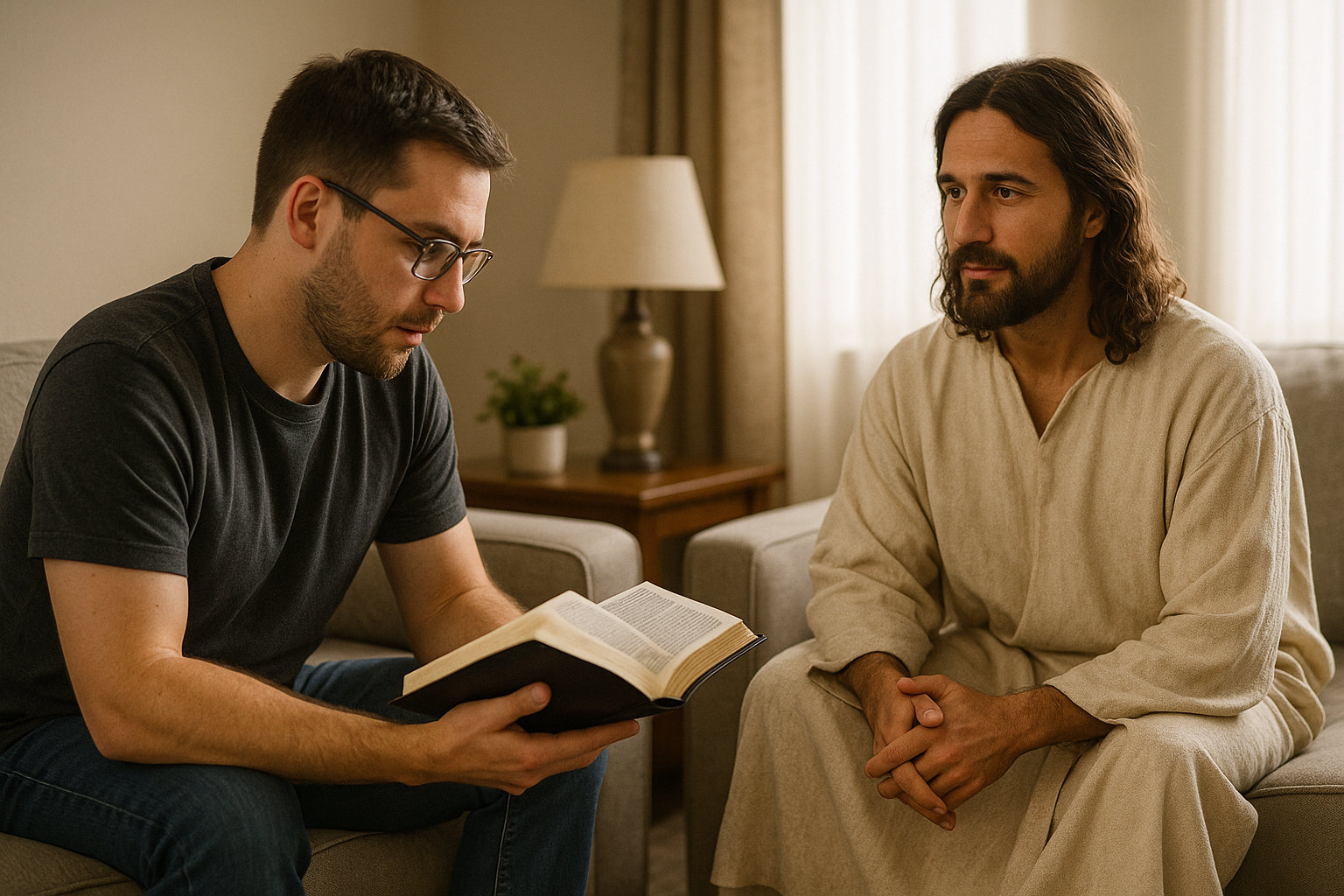
Not all hope is biblical, and genuine hope does not appear overnight. Hope That Holds is a three-part Bible study series on recognizing false hope, developing lasting hope through faith and endurance, and living with a hope visible enough for others to notice.
Full Bundle Description
Hope is one of the most frequently used words in the Christian life, but it is also one of the most frequently misunderstood.
We may call wishful thinking hope. We may confuse personal desire with God’s promise. We may expect hope to arrive before our faith has been tested. And even when hope is genuine, we may keep it so private that no one around us can see its effect.
The Hope That Holds Bible Study Bundle brings together three complete S&S Pastoral Services Bible study kits exploring what biblical hope is, how it is formed, and how it becomes visible.
Together, the studies create a natural progression:
Identify the hope that cannot hold.
Understand how genuine hope is formed.
Learn how hope becomes a visible witness.
This bundle includes:
Some Hope Fails You
A Bible Study on False Hope, True Hope, and the Difference Between Them
Learn how to distinguish biblical hope from prediction, wishful thinking, presumption, and personal desires presented as promises from God.
Why Hope Takes Time
A Bible Study on Faith, Endurance, and Biblical Hope
Explore how hardship produces perseverance, perseverance produces character, and character produces a hope rooted in God rather than circumstances.
Visible Hope
A Bible Study on Living a Faith Others Can See
Examine the kind of steady, disciplined, faithful life that causes others to notice something different and ask about the source of your hope.
Through this series, participants will explore:
the difference between hope, optimism, and wishful thinking
why sincerity alone does not make hope biblical
how to separate God’s promises from personal predictions
why disappointment does not necessarily mean God failed
how faith, hardship, endurance, and character produce hope
why God often forms hope slowly
how hope steadies believers during uncertainty
what visible hope looks like in ordinary life
how Christian conduct supports or undermines Christian witness
how to explain our hope with humility and respect
Each Bible study kit includes:
a complete printable Bible study
Scripture-based teaching
personal stories and pastoral reflection
group discussion questions
practical application exercises
a closing prayer
PowerPoint teaching slides
printable PDFs of the study and presentation
Ideal for:
small groups and Sunday school
personal Bible study
discipleship and mentoring
Christians experiencing disappointment or uncertainty
people in seasons of waiting
church studies on faith, endurance, hope, or witness
evangelism and outreach training
pastoral counseling and recovery-oriented groups
Purchase the complete series at a reduced price and guide your group through the full journey from misplaced hope, to enduring hope, to visible hope.
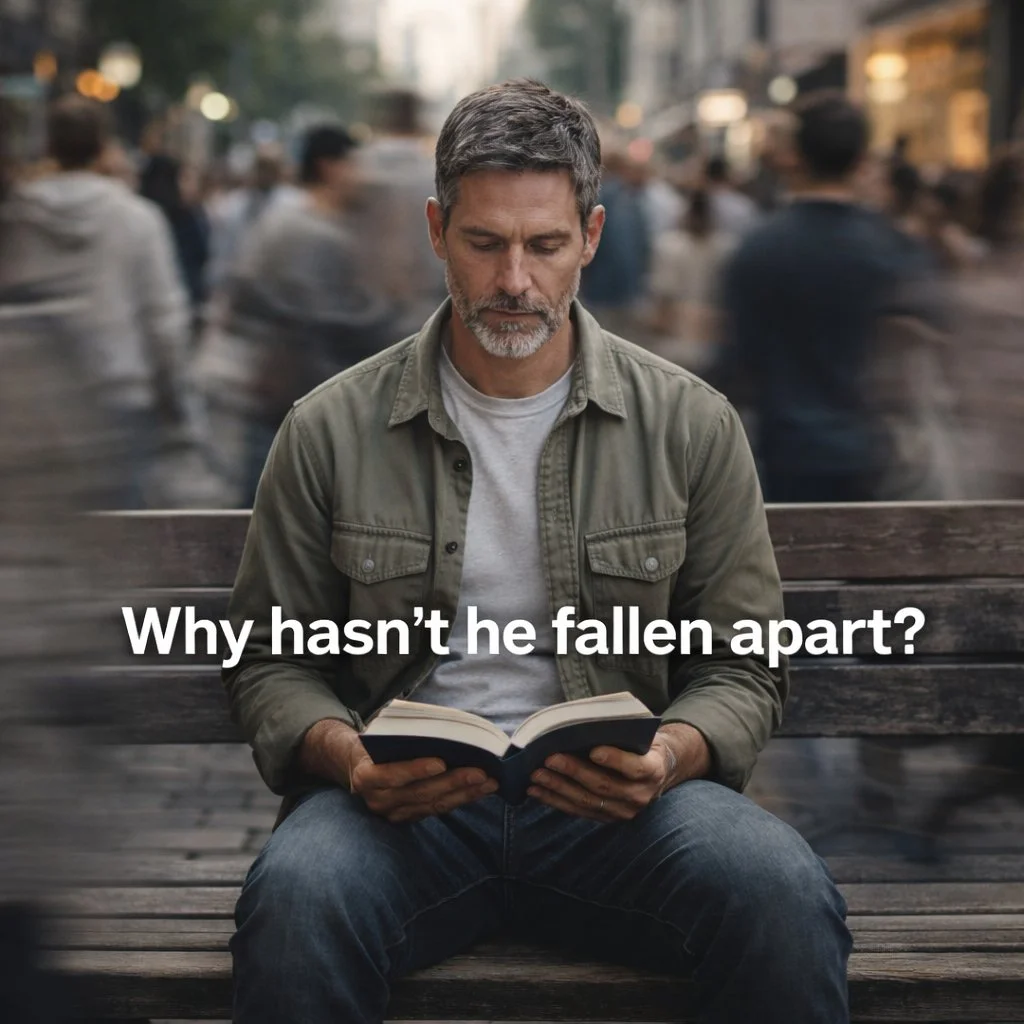
Peter tells Christians to be ready to give an answer for the hope within them. But that instruction assumes someone has already noticed something worth asking about.
What does a person see in a Christian’s life that causes them to ask:
“How can you possibly have hope?”
Visible Hope is a practical Bible study on living a faith that can be seen. It examines how biblical hope appears in our choices, habits, relationships, priorities, and responses to hardship.
Hope becomes visible when a believer remains steady in an unstable world; when integrity survives pressure, when kindness survives disagreement, and when discipline replaces distraction, outrage, fear, and complaint.
This study is less about making religious claims and more about whether our daily lives give those claims credibility.
This study explores:
why Christian hope should be visible
how actions give credibility to spiritual beliefs
what people notice when they watch a believer’s life
how anxiety, outrage, complaint, and distraction can undermine our witness
the connection between discipline and hope
why faith produces steadiness without denial
how God’s goodness anchors a life during uncertainty
how to answer questions about faith with humility and respect
why ordinary faithfulness can become a powerful witness
The Bible study kit includes:
a complete printable Bible study
Scripture-based teaching centered on 1 Peter 3:15
personal reflection and practical examples
group discussion questions
personal application exercises
a closing prayer
PowerPoint presentation slides
printable PDF versions of the study and slides
Best for:
personal Bible study
small groups and Sunday school
discipleship and mentoring
evangelism and outreach training
Christian witness and lifestyle studies
church leadership groups
believers who want their daily lives to reflect their faith more clearly
Estimated study time: 60–90 minutes for group use or 30–45 minutes for personal study.
We often expect hope to come first.
We hope for a better future, then try to gather enough faith to believe it will happen. Scripture presents a different order. According to Romans 5, hardship produces perseverance, perseverance produces character, and character produces hope.
Biblical hope is not merely a positive feeling. It is something God forms over time.
Why Hope Takes Time is a personal and Scripture-based Bible study on the relationship between faith, endurance, character, and hope. It traces one man’s journey from childhood instability and self-reliance to faith in God and a hope grounded in His unchanging character.
The study explains an important distinction:
Faith trusts God in the present. Hope keeps us steady over time.
Participants are encouraged to stop measuring hope by immediate results and begin seeing delay, hardship, and uncertainty as places where God can form something deeper and more durable.
This study explores:
why hope is formed rather than instantly acquired
the difference between faith and hope
how self-reliance produces fragile confidence
why hardship is part of the formation process
how perseverance produces character
why biblical hope does not depend on predictable outcomes
how God’s character gives hope its stability
why waiting can strengthen rather than destroy faith
The Bible study kit includes:
a complete printable Bible study
biblical teaching on faith, endurance, and hope
a personal testimony
group discussion and reflection questions
practical application exercises
a closing prayer
PowerPoint presentation slides
printable PDF versions of the study and slides
Best for:
personal Bible study
small groups and Sunday school
discipleship and mentoring
Christians in seasons of waiting
people recovering from disappointment
church studies on endurance, faith, patience, or spiritual formation
Estimated study time: 60–90 minutes for group use or 30–45 minutes for personal study.
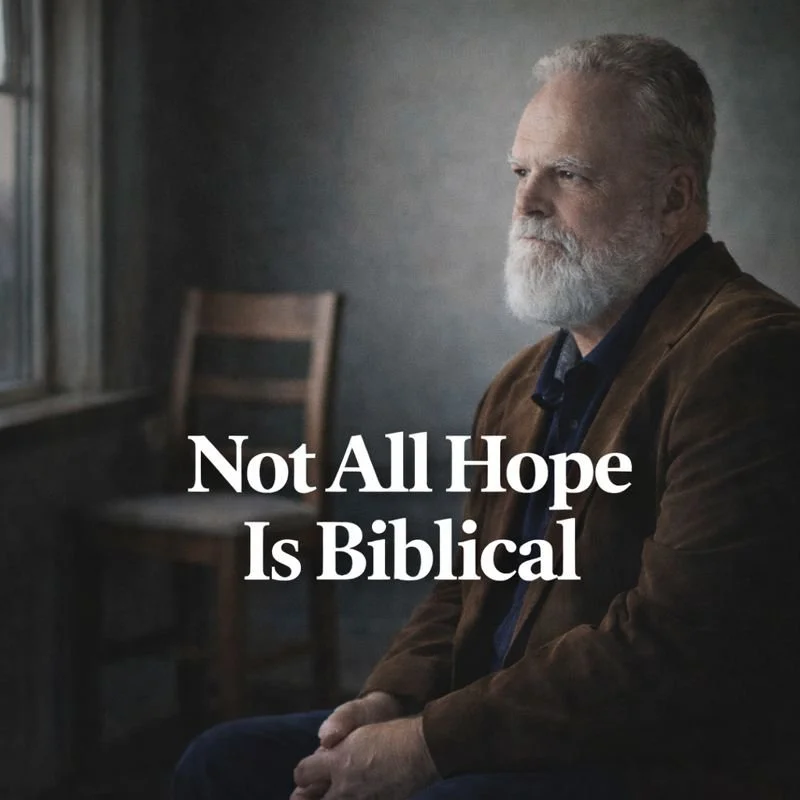
Hope can sound spiritual and still be built on the wrong foundation.
We may feel certain that God will provide a particular opportunity, repair a relationship, open a door, or produce the outcome we want. When that does not happen, we may conclude that God failed us. But sometimes the problem is not God’s faithfulness. The problem is that we treated our desires as though they were His promises.
Some Hope Fails You is a practical Bible study on the difference between false hope and biblical hope. Through Scripture, personal storytelling, discussion questions, and practical application, participants learn how to distinguish faith from presumption and God’s promises from their own predictions.
The study follows the story of a man who believed his dream of becoming a successful musician was a calling from God. When an impulsive plan failed, he blamed God, even though his hope had never been tested against Scripture, wisdom, patience, or preparation.
This study explores:
why sincere hope can still be misplaced
the difference between God’s promises and personal predictions
how desire can disguise itself as spiritual conviction
why confidence alone is not evidence of God’s direction
how false hope offers reassurance without formation
why biblical hope is anchored in God’s character
how disappointment can expose what our hope was resting on
why true hope is formed through endurance
The Bible study kit includes:
a complete printable Bible study
Scripture-based teaching
a personal story and pastoral reflection
discussion and reflection questions
practical application exercises
a closing prayer
PowerPoint presentation slides
printable PDF versions of the study and slides
Best for:
personal Bible study
small groups and Sunday school
discipleship and mentoring
Christians experiencing disappointment with God
church groups studying faith, hope, discernment, or patience
anyone facing a major decision or uncertain future
Estimated study time: 60–90 minutes for group use or 30–45 minutes for personal study.

Christian giving is about far more than money.
It is about motive. It is about sacrifice. It is about giving freely without keeping score. It is about offering our time, attention, forgiveness, humility, and presence. Most of all, it is about learning to give as Jesus gave.
The Give as Jesus Gave Bible Study Bundle brings together three complete S&S Pastoral Services Bible study kits examining generosity from three connected perspectives.
Together, these studies move participants from the inner motive behind giving, to the cost of genuine sacrifice, and finally to the example of Christ, who came near and gave Himself completely.
The bundle includes:
Sacrificial Giving
A Bible Study on Moving from Transactional to Transformational Love
Examine the hidden expectations that can turn generosity into a transaction. This study helps participants stop keeping score and learn to give freely in response to the love God first gave them.
The Sacred Cost of Giving
A Bible Study on Sacrifice, Motive, and What True Giving Costs
Discover why true sacrifice carries weight. This study explores wise financial generosity, the irreplaceable gift of time, the importance of motive, and the costly gift of forgiveness.
Give Like Jesus
A Bible Study on Humility, Presence, and Sacrificial Giving
Explore the giving modeled by Christ: humble, personal, relational, and willing to come close to suffering. This study challenges believers to give not only resources, but also presence, service, and compassion.
Through this series, participants will examine:
the difference between giving freely and giving to receive something back
how past experiences can shape our understanding of love and generosity
why genuine sacrifice must cost something
how to combine generosity with wise stewardship
why time, attention, and forgiveness can be sacred gifts
the role of humility and presence in Christlike service
how Jesus gave without protecting His comfort, reputation, or distance
practical ways to become more generous in everyday life
Each Bible study kit includes:
a complete, printable Bible study
Scripture-based teaching
personal stories and pastoral reflection
group discussion questions
practical application exercises
a closing prayer
PowerPoint teaching slides
printable PDFs of the study and presentation
Ideal for:
small groups and Sunday school
Christmas or Advent teaching
stewardship series
ministry and servant-leadership training
discipleship and mentoring
missions and outreach teams
personal Bible study
churches seeking a broader biblical understanding of generosity
Purchase the complete collection at a reduced price and guide your group through a thoughtful three-part journey from motive, to sacrifice, to Christlike presence.

The greatest gift is not always what we place in someone’s hands. Sometimes it is how close we are willing to come.
Give Like Jesus is a Bible study on humility, presence, servant leadership, and sacrificial giving. It challenges the common idea that generosity is primarily about money. Financial giving matters, but the life of Jesus reveals a deeper form of giving: the willingness to draw near, serve humbly, share another person’s suffering, and remain present when it would be easier to keep a comfortable distance.
The study is built around a personal account from Stan Balcom’s years in West Africa and his memories of walking through poverty, unsanitary markets, and the unavoidable reality of dirty feet. Those memories bring fresh meaning to the moment when Jesus knelt and washed His disciples’ feet.
Christ did not send compassion from afar. He entered our world, took on flesh, humbled Himself, touched what others avoided, and gave His life.
Participants will explore:
why presence is the foundation of genuine giving
how the Incarnation demonstrates God’s willingness to come near
why humility makes service trustworthy
how sharing another person’s suffering can be a gift
why people often need presence more than advice
how Jesus redefined greatness through servanthood
what it means to give anonymously and without recognition
practical ways to serve those we might otherwise avoid
This study is especially helpful for groups exploring servant leadership, Christian compassion, missions, Christmas, pastoral care, or the practical meaning of Christlike love.
The Bible study kit includes:
a complete printable Bible study
biblical teaching centered on the example of Jesus
a personal story from West Africa
reflection and discussion questions
practical application exercises
a closing prayer
PowerPoint presentation slides
printable PDF versions of the study and slides
Best for:
personal Bible study
small groups and Sunday school
servant-leadership training
ministry teams
missions and outreach groups
pastoral care and discipleship
Christmas studies
Christians seeking a more practical understanding of Christlike service
Estimated study time: 60–90 minutes for a group or 30–45 minutes for personal study.

Not every gift is a sacrifice.
Some gifts are easy, expected, or drawn from what we will never miss. Other gifts require something real from us: time, comfort, pride, money, attention, or forgiveness. That cost is often what turns ordinary generosity into a sacred offering.
The Sacred Cost of Giving is a practical Bible study on the biblical meaning of sacrifice. It begins with a childhood story about a lost Boy Scout neckerchief slide and the young people who gave their time and effort to replace it. From there, the study asks a direct question:
What does your giving actually cost you?
Using David’s refusal to offer God something that cost him nothing, this study examines the relationship between generosity, sacrifice, wisdom, and motive.
Participants will explore:
why true sacrifice carries genuine weight
the difference between pleasant giving and holy giving
why financial generosity should be guided by wisdom
how irresponsible giving can create strain rather than blessing
why time and attention may be more valuable than money
how motive determines the spiritual character of a gift
why forgiveness may be one of the costliest gifts we can offer
This study does not argue that every gift must cause hardship. Instead, it helps believers examine whether their giving reflects love, obedience, wisdom, and the sacrificial character of Jesus.
The Bible study kit includes:
a complete printable Bible study
Scripture-based teaching
a personal narrative
reflection and group discussion questions
practical application exercises
a closing prayer
PowerPoint presentation slides
printable PDF versions of the study and slides
Best for:
personal Bible study
small groups and Sunday school
church stewardship series
Christmas or seasonal generosity studies
discipleship and mentoring
ministry leadership training
Christians examining their habits and motives in giving
Estimated study time: 60–90 minutes for a group or 30–45 minutes for personal study.

Giving is not always as selfless as it appears.
Sometimes we give because we love. At other times, we give because we hope to receive love, gratitude, recognition, approval, or something else in return. Without realizing it, generosity can become a transaction and love can become a ledger.
Sacrificial Giving is a practical Bible study about moving from transactional giving to transformational love. Built around a personal story of childhood, Christmas, service in Ghana, and spiritual growth, the study examines how our experiences can shape what we believe about love, worth, sacrifice, and generosity.
Participants will explore how God’s love differs from human exchange. Christ did not wait for us to deserve His gift. He gave while we were still sinners. His love was not negotiated, earned, or repaid; it was offered freely.
This study examines:
how giving can become a way of earning love or approval
the difference between transactional and transformational giving
why true love is freely offered rather than earned
how Christmas can become an altar instead of a marketplace
how God uses difficult experiences to reshape our understanding of love
why the most Christlike gifts are often given to people who cannot repay us
The study is suitable for any season but is especially meaningful during Christmas, a stewardship emphasis, or a church series on generosity and Christian love.
The Bible study kit includes:
a complete printable Bible study
biblical teaching and personal reflection
group discussion questions
practical application exercises
a closing prayer
PowerPoint presentation slides
printable PDF versions of the study and slides
Best for:
personal Bible study
small groups and Sunday school
Christmas Bible studies
stewardship and generosity teaching
discipleship and mentoring
church leadership groups
Christians examining the motives behind their giving
Estimated study time: 60–90 minutes for a group or 30–45 minutes for personal study.

Suffering raises hard questions. About God. About life. About prayer. About blessing. About whether faith can survive the things we never wanted to carry.
Finding God in Hard Places brings together three S&S Pastoral Services Bible studies that help Christians think biblically and honestly about pain, disappointment, doubt, and the presence of God in a broken world. Each study approaches suffering from a different angle, but together they form a practical, hope-filled series for believers who want something deeper than easy answers.
This bundle includes:
Love and Suffering
A Bible Study on Why a Loving God and a Broken World Are Not a Contradiction
A study for Christians wrestling with the problem of suffering, the goodness of God, and how to trust Him in a world marked by pain.
Life Stinks
A Bible Study on Gratitude, Doubt, and the God Who Meets Us in the Mess
A study for believers trying to hold together honesty about life’s disappointments and gratitude for God’s grace in the middle of them.
Oasis in the Desert
A Bible Study on God’s Blessing in the Middle of Suffering
A study on how God comforts, sustains, and blesses His people in the desert seasons of life, even when the suffering itself has not yet ended.
This series is designed to help believers:
think biblically about suffering and the goodness of God
face disappointment, grief, and doubt honestly rather than superficially
understand the difference between shallow positivity and real Christian hope
recognize God’s comfort, provision, and blessing in the middle of hardship
grow in endurance, faithfulness, compassion, and trust
Ideal for:
personal Bible study
small groups and Sunday school
one-to-one discipleship
grief, recovery, and pastoral care settings
Christians walking through loss, disappointment, unanswered prayer, or hard seasons
church leaders looking for thoughtful, discussion-ready material on suffering and hope
Each study includes biblical teaching, reflection questions, discussion prompts, personal application, and a closing prayer, and PowerPoint presentations for teaching, making the bundle useful for both individual and group use.
If you are looking for a thoughtful Christian resource on suffering, doubt, hope, and the presence of God in pain, this series is the best place to start.

Most of us assume blessing means relief. The hardship ends. The prayer is answered. The road opens up. The pain goes away.
But Scripture often tells a more complicated and more hopeful story.
Oasis in the Desert is a Bible study about the ways God meets His people in the middle of suffering, not only after it is over. It explores the idea that blessing is not always escape from the desert, but sometimes the comfort, provision, perspective, strength, and companionship God gives while we are still walking through it.
This study is especially helpful for Christians who are:
living through a hard season that has not ended
trying to understand what God’s blessing looks like when life still hurts
caring for others in grief, loss, trauma, or hardship
learning how suffering can deepen compassion, endurance, and ministry to others
Inside, you’ll explore themes such as:
what blessing really means in Scripture
how God comforts His people in tribulation
why suffering and blessing can coexist
how God uses hardship to shape compassion and ministry
the difference between demanding relief and receiving daily grace
This study includes:
biblical teaching grounded in Scripture
reflection and discussion questions
personal application steps
a leader-friendly format for group study or individual use
PowerPoint presentation for teaching
Best for:
personal Bible study
grief support or recovery-oriented settings
discipleship and pastoral care contexts
small groups and church classes
Christians who want to understand suffering, comfort, and blessing more deeply

Few questions cut deeper than this one: If God is good, why does suffering exist?
Love and Suffering is a Bible study for Christians who have wrestled with pain, grief, injustice, disappointment, or the apparent silence of God and wondered how those realities fit with His love. Rather than offering shallow answers, this study takes the question seriously and walks through what Scripture says about suffering, sin, love, redemption, and the presence of God in a broken world.
This study is designed for people who want something more than clichés. It is for those who want to bring honest questions to Scripture and come away with a deeper understanding of both the world’s brokenness and God’s faithfulness within it.
Inside, you’ll explore themes such as:
why suffering and the love of God are not contradictions
what the Bible says about living in a fallen world
how God’s love is shown not by the absence of pain, but by His presence in it
the difference between simple answers and biblical hope
how Christians can remain faithful when life does not make sense
This study includes:
Bible teaching rooted in Scripture
reflection and discussion questions
personal application steps
a leader-friendly format for small groups, discipleship, or personal study
PowerPoint presentation for teaching
Best for:
personal Bible study
small groups and Sunday school
grief, suffering, or recovery-oriented settings
one-to-one discipleship
Christians wrestling with pain, doubt, loss, or the problem of suffering

Sometimes the honest truth is simple: life stinks.
Things fall apart. People disappoint us. Bodies fail. Plans collapse. Prayer is not always answered the way we hoped. And in the middle of it, Christians are often left trying to make sense of gratitude, doubt, grief, frustration, and faith all at the same time.
Life Stinks is a Bible study for believers who are trying to live faithfully in the tension between beauty and brokenness. It takes seriously the fact that life can be painful, confusing, and exhausting, while also asking what it means to recognize God’s goodness in the middle of the mess rather than only after it has passed.
This study helps readers think through questions like:
How do I give thanks when life genuinely hurts?
Is doubt always unbelief, or can it be part of honest faith?
What does Scripture say about suffering, frustration, and disappointment?
How do I hold together realism about life’s pain and gratitude for God’s grace?
What does it mean to trust God when the world does not add up?
Inside, this study explores:
the coexistence of beauty and brokenness in a fallen world
the relationship between gratitude and lament
the difference between shallow positivity and biblical hope
how God meets His people in confusion, grief, and disappointment
practical ways to remain faithful when life feels messy
This study includes:
Scripture-based teaching
reflection and discussion questions
personal application for real-life struggles
a format suitable for small groups, discipleship, or personal use
PowerPoint presentation for teaching
Best for:
personal Bible study
small groups and church classes
discipleship and mentoring relationships
Christians walking through discouragement, frustration, loss, or doubt
anyone trying to reconcile gratitude with real suffering

Not everyone had the kind of mother described in a sentimental Mother’s Day card.
Some mothers were absent, addicted, depressed, emotionally unavailable, or unable to protect their children. Some left wounds that continue into adulthood. Others are mothers who know they failed their children and struggle to believe that mercy, forgiveness, or honor could still be available to them.
Broken Moms is a sensitive and honest Bible study on what it means to honor a mother who wounded us. It also speaks directly to mothers carrying shame over their own failures.
The study does not ask participants to deny abuse, excuse harmful behavior, remove healthy boundaries, or pretend that every relationship can be restored. Instead, it explores how biblical honor can coexist with truth, grief, wisdom, and mercy.
This study explores:
how to acknowledge a mother’s failures honestly
why honor does not require denial
the difference between understanding harm and excusing it
how a mother’s own wounds may have shaped her failures
what the command to honor parents does and does not require
how remembering human weakness can create room for compassion
why mercy does not depend on pretending the past was different
how wounded mothers can receive dignity and grace
what small, wise acts of honor may look like
how to maintain appropriate boundaries while releasing contempt
This Bible study kit includes:
a complete printable Bible study
KJV Scripture teaching
a personal reflection on a wounded mother
sensitive group discussion questions
practical application exercises
a closing prayer
PowerPoint teaching slides
printable PDFs of the study and presentation
Best for:
personal Bible study
Mother’s Day teaching
small groups and Sunday school
pastoral care and discipleship
adult children of difficult or wounded mothers
mothers carrying regret or shame
family healing and forgiveness studies
recovery-oriented Christian groups
Important pastoral note
This study addresses family wounds and may surface grief, trauma, anger, or memories of abuse. Group leaders should handle discussion gently and should never pressure participants to disclose painful experiences, resume unsafe relationships, or abandon appropriate boundaries.
Estimated study time: 60–90 minutes for group study or 30–45 minutes for personal study.

Everyone carries dreams.
Some fade naturally as life changes. Others become deeply connected to our identity, happiness, relationships, safety, or sense of worth. When those dreams harden into expectations, disappointment can become much more than sadness. It can grow into frustration, bitterness, despair, and spiritual confusion.
When Dreams Harden is a thoughtful and pastoral Bible study on unmet expectations, mental and emotional suffering, and the difference between personal wishes and the promises of God.
Built around Proverbs 13:12, the study examines the warning that hope deferred can make the heart sick. It does not treat anxiety or depression as evidence of weak faith, nor does it suggest that every mental-health struggle has a simple spiritual cause. Instead, it asks participants to honestly examine the dreams they have been carrying and the damage that may occur when those dreams become demands.
A dream may point toward a legitimate need: to be loved, safe, respected, known, or valued. The trouble begins when we build a fixed picture of how that need must be met and assume God has promised to make that picture real.
This study explores:
how a desire becomes a hardened expectation
why unmet expectations can affect identity and emotional health
the progression from disappointment to frustration, bitterness, and despair
why not every dream comes from God
the difference between a personal wish and a biblical promise
how family, culture, wounds, and loneliness shape our expectations
why mental illness should not be reduced to a failure of prayer or faith
the importance of naming dreams honestly
how to release expectations without denying legitimate needs
what it means to redirect our affection toward God
why God’s promises are more durable than earthly dreams
This Bible study kit includes:
a complete printable Bible study
KJV Scripture teaching
a personal story about long-term expectations and relationships
thoughtful reflection and discussion questions
practical application exercises
a closing prayer
PowerPoint teaching slides
printable PDF versions of the study and presentation
Best for:
personal Bible study
small groups and Sunday school
pastoral counseling and discipleship
Mental Health Awareness Month
Christians dealing with disappointment or unanswered prayer
people grieving a lost relationship, calling, family dream, or life plan
recovery and support groups
studies on hope, expectations, and emotional health
Pastoral Note
This study discusses disappointment, depression, anxiety, destructive choices, failed relationships, and long-term emotional pain. Leaders should avoid simplistic answers and should never imply that serious mental illness can be resolved by prayer alone. Participants experiencing significant distress should be encouraged to seek appropriate pastoral, medical, or mental-health support.
Estimated study time: 60–90 minutes for group study or 30–45 minutes for personal study.

Most Christians would never intentionally worship an idol.
But idols are not always statues, wealth, or openly sinful behavior. Sometimes an idol is simply the thing we trust to calm us, comfort us, validate us, or give us control before we turn to God.
Who Do We Serve? is an honest and practical Bible study on everyday idolatry, spiritual reflexes, and the small choices that reveal where our trust truly rests.
The study begins with an ordinary frustrating workday and a bag of chocolate-covered blueberries. The example may seem small, but that is the point. Our deepest loyalties are often exposed not during dramatic crises, but in ordinary moments when we are tired, afraid, angry, embarrassed, or overwhelmed.
The question is not whether the thing we reach for is large, dangerous, or obviously sinful. The question is whether we are asking it to provide what belongs to God.
This study explores:
what the Bible means by idolatry
why idols do not always look religious or dramatic
how stress reveals what we truly trust
why immediate relief can become a spiritual substitute
how food, screens, shopping, substances, approval, comfort, or control can take God’s place
why idols often work just well enough to keep us returning
the relationship between treasure, attention, and the heart
how ordinary habits become deeply rooted loyalties
why conviction should lead to honest repentance rather than shame
how to develop the reflex of reaching for God first
This Bible study kit includes:
a complete printable Bible study
KJV Scripture teaching
a personal and relatable story
reflection and group discussion questions
practical application exercises
a closing prayer
PowerPoint teaching slides
printable PDF versions of the study and presentation
Best for:
personal Bible study
small groups and Sunday school
discipleship and mentoring
recovery and accountability groups
studies on idolatry and spiritual habits
Christians examining stress-related coping patterns
men’s and women’s ministry
believers seeking greater dependence on God
Estimated study time: 60–90 minutes for group study or 30–45 minutes for personal study.

Every believer is preaching a sermon, even when no words are spoken.
Coworkers notice how we handle frustration. Neighbors observe how we treat our families. Cashiers see our patience or impatience. Friends remember whether our actions match the faith we claim.
Jesus did not tell His followers that they might someday become the light of the world. He said they already were.
Light of the World is a practical Bible study on Christian witness, integrity, reputation, and the everyday responsibility of representing Jesus.
The study begins with a personal story from Ghana, where the author’s highly visible behavior as an American created a public and shameful moment. Years later, that experience became a powerful illustration of how every Christian helps shape another person’s understanding of Jesus.
The question is not whether people are watching. The question is what they see.
This study explores:
what Jesus meant when He said believers are the light of the world
why Christian identity comes before Christian behavior
how ordinary actions become a public witness
the damaging gap between Sunday faith and Monday conduct
how Christians shape other people’s understanding of Jesus
why integrity and grace matter in everyday interactions
how failure can become an opportunity for repentance and correction
why faith is most visible when conditions are difficult
how patience, honesty, kindness, and humility shine in a dark world
practical ways to bring daily conduct into alignment with Christian identity
This Bible study kit includes:
a complete printable Bible study
KJV Scripture teaching centered on Matthew 5:14–16
a personal story from Ghana
group discussion and reflection questions
practical application exercises
a closing prayer
PowerPoint teaching slides
printable PDFs of the study and presentation
Best for:
personal Bible study
small groups and Sunday school
evangelism and outreach training
new believer discipleship
Christian leadership development
workplace and marketplace ministry
studies on integrity and Christian character
believers seeking to strengthen their everyday witness
Estimated study time: 60–90 minutes for group study or 30–45 minutes for personal study.

The world tends to call the successful, powerful, wealthy, independent, and admired “blessed.”
Jesus gave a very different list.
The Blessed Ones is a Bible study on the Beatitudes and the kind of character God honors. Drawing from Matthew 5 and a personal story of unexpected hospitality in a rural Ghanaian village, the study challenges common assumptions about blessing, generosity, success, and spiritual maturity.
Stranded overnight near the border of Ghana and Burkina Faso, three Peace Corps volunteers expected to sleep beneath a tree. Instead, a family with almost nothing invited them into their home, fed them, entertained them, gave them a place to sleep, and refused payment.
They did not have wealth or influence. They had mercy, humility, hospitality, and an open hand.
Their actions provide a living picture of the people Jesus described as blessed.
This study explores:
who Jesus called blessed in the Beatitudes
why blessing is not the same as comfort, wealth, or success
the meaning of being poor in spirit
why mourning, meekness, mercy, and hunger for righteousness matter
how generosity reflects the character of God’s kingdom
why true giving does not calculate what it will receive in return
how hospitality can become an act of mercy
why self-sufficiency can become a barrier to spiritual growth
how God uses overlooked people to reveal His kingdom
what the Beatitudes look like in ordinary life
This Bible study kit includes:
a complete printable Bible study
teaching centered on Matthew 5:3–12
a personal story from Ghana
reflection and discussion questions
practical application exercises
a closing prayer
PowerPoint teaching slides
printable PDFs of the study and presentation
Best for:
personal Bible study
small groups and Sunday school
studies on the Beatitudes
generosity and hospitality teaching
missions and outreach groups
discipleship and mentoring
stewardship ministries
Christians seeking a deeper understanding of biblical blessing
Estimated study time: 60–90 minutes for group study or 30–45 minutes for personal study.

Most of us want difficult seasons to end as quickly as possible. We treat trials as interruptions, problems to solve, or obstacles standing between us and the life we would rather be living.
Scripture offers a different perspective.
A Change in Perspective is a practical Bible study on trials, endurance, and the spiritual growth that takes place when believers continue walking through difficult seasons. Drawing from James 1:2–4 and a personal account of climbing Mount Monadnock in New Hampshire, the study compares the demands of a difficult mountain trail with the work God does through hardship.
The lesson does not offer shallow comfort or promise that every trial will quickly make sense. Instead, it helps participants consider what the journey itself may be producing in them.
This study explores:
why trials produce qualities that comfort cannot
what it means to let patience complete its work
why difficult paths demand our full attention
how hardship can narrow our focus to what matters most
the ways creation points toward God’s character
why God’s kingdom often works through counterintuitive truths
how the journey can become part of the reward
how a changed perspective can help us endure without denying the pain
This Bible study kit includes:
a complete printable Bible study
Scripture-based teaching centered on James 1
a personal mountain-climbing narrative
reflection and group discussion questions
practical application exercises
a closing prayer
PowerPoint teaching slides
printable PDFs of the study and presentation
Best for:
personal Bible study
small groups and Sunday school
discipleship and mentoring
Christians facing illness, uncertainty, recovery, or relational difficulty
studies on perseverance and spiritual growth
pastoral care and encouragement ministries
Estimated study time: 60–90 minutes for group study or 30–45 minutes for personal study.

When someone hurts or insults us, the instinct to strike back can feel almost automatic.
We may retaliate with fists, words, accusations, silence, public embarrassment, or carefully chosen remarks meant to cause the same pain we received. The world often calls that strength. Scripture calls believers to something harder.
Controlled Strength is a practical Bible study on responding to offense and conflict without surrendering to retaliation.
Drawing from Matthew 5, Matthew 18, Romans 12, and a personal reflection on anger and past violence, the study distinguishes biblical restraint from weakness. Turning the other cheek does not mean accepting unlimited abuse, abandoning healthy boundaries, or refusing to confront wrongdoing. It means refusing to let another person’s sin determine our character.
Real strength is not having the ability to cause harm. It is having that ability and choosing a wiser response.
This study explores:
the difference between reaction and response
why retaliation is often pride disguised as strength
what Jesus meant by turning the other cheek
why controlled strength is not passivity
how to confront wrongdoing without humiliation or revenge
the biblical conflict process found in Matthew 18
when distance, silence, or firm boundaries may be appropriate
how forgiveness differs from restored trust
why peace depends on controlling our own response
how to overcome evil with good without enabling continued harm
This Bible study kit includes:
a complete printable Bible study
Scripture-based teaching on conflict and restraint
a personal story of anger, retaliation, and growth
group discussion questions
practical application exercises
a closing prayer
PowerPoint teaching slides
printable PDFs of the study and presentation
Best for:
personal Bible study
small groups and Sunday school
conflict resolution training
marriage and relationship groups
men’s ministry
anger-management and recovery settings
church leadership teams
Christians dealing with resentment, offense, or relational tension
Estimated study time: 60–90 minutes for group study or 30–45 minutes for personal study.
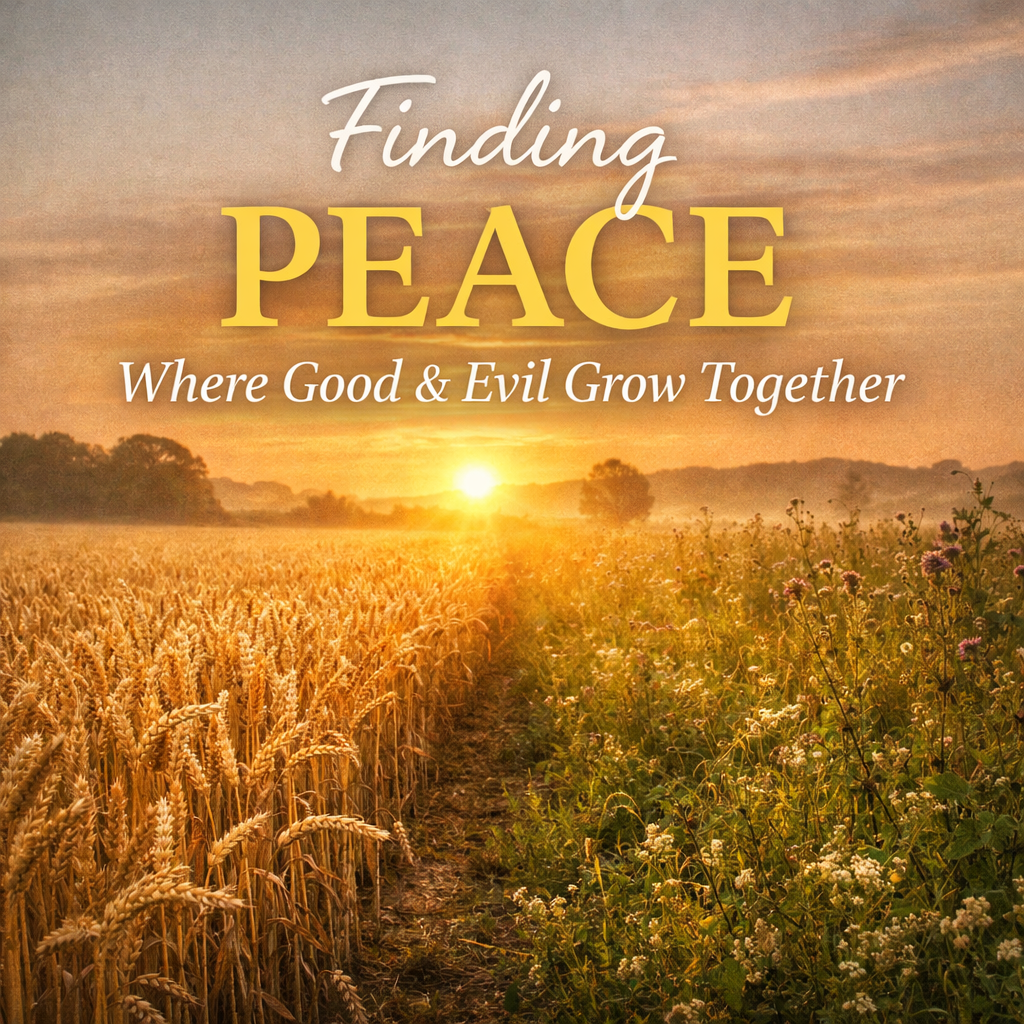
The world is not neatly divided into places of good and places of evil. Both often exist side by side: in families, churches, workplaces, communities, and even within our own hearts.
Finding Peace is a practical Bible study on what it means to live as an instrument of God’s peace in a contested and broken world.
Drawing from the Prayer of St. Francis, the teachings of Jesus, and a reflection on the television series Firefly, this study examines the calling of believers who are not removed from the world’s difficulties but sent directly into them.
The Prayer of St. Francis does not simply ask God to eliminate hatred, injury, discord, doubt, despair, darkness, and sadness. It asks God to form someone capable of bringing love, pardon, unity, faith, hope, light, and joy into those places.
This is not passive peacekeeping. It is purposeful, faithful engagement.
This study explores:
why good and evil continue to exist side by side
why God is not surprised by the brokenness of the world
the difference between peacekeeping and biblical peacemaking
how believers respond to conflict through withdrawal, reaction, or purposeful engagement
why prayer should change the person praying, not only the circumstances
how hardship forms perseverance, character, and hope
why God regularly works through imperfect people
what it means to become an instrument of peace
how to remain faithful without becoming hardened, cynical, or overwhelmed
This Bible study kit includes:
a complete printable Bible study
Scripture-based teaching
discussion of the Prayer of St. Francis
personal and cultural reflection
group discussion questions
practical application exercises
a closing prayer
PowerPoint teaching slides
printable PDF versions of the study and presentation
Best for:
personal Bible study
small groups and Sunday school
conflict resolution ministries
church leadership teams
discipleship and mentoring
peacemaking and reconciliation studies
Christians discouraged by the condition of the world
groups studying faithfulness in difficult environments
Estimated study time: 60–90 minutes for group study or 30–45 minutes for personal study.

When something works out, Christians often say, “God made a way.”
Sometimes that is true. At other times, the result came through skill, influence, money, manipulation, privilege, or a system that worked exactly as expected. A successful outcome is not automatically a miracle, and success by itself does not prove God’s approval.
Miracles or Reality is an honest Bible study on the difference between godly hope and worldly strategy.
The study begins with a firsthand story from West Africa in which knowledge of a corrupt system, foreign currency, bribery, and personal advantage produced the desired result. Nothing miraculous was required. The system worked because it was understood and exploited.
That experience becomes the starting point for a deeper spiritual question: What are we truly trusting when we say that we have faith?
Planning, competence, and strategy are not inherently wrong. The danger comes when we confuse them with faith, justify questionable conduct because it succeeded, or treat God as the explanation for outcomes produced by leverage.
This study explores:
why success is not proof of divine approval
the difference between godly hope and worldly hope
how strategy can be mistaken for faith
why corrupt systems sometimes reward those who use them
what Scripture says about trusting human strength
the difference between God’s promises and our preferred outcomes
why prayer is often treated as a last resort
what our first response to trouble reveals about our trust
how integrity may cost more than convenience
why obedience matters more than calculating likely success
This Bible study includes:
a complete printable Bible study
Scripture-based teaching
a firsthand story from West Africa
reflection and group discussion questions
practical application exercises
a closing prayer
leader guidance for group use
PowerPoint presentation for teaching
Best for:
personal Bible study
small groups and Sunday school
leadership and ministry training
Christian ethics discussions
studies on faith, trust, hope, and integrity
mission and cross-cultural ministry groups
Christians making difficult personal or business decisions
anyone examining whether their confidence rests in God or human leverage
Estimated study time: 60–90 minutes for group study or 30–45 minutes for personal study.
Some lives follow a clear and predictable path. Others seem to be made up of detours, restarts, failures, relocations, and seasons that make sense only much later.
Living Forward is a Bible study for people who wonder whether they started too late, wandered too far, or wasted too much time for God to use their story.
Drawing from Philippians 3, Psalm 139, Proverbs 3, and a personal account of decades spent moving through different countries, careers, ministries, and responsibilities, the study explores how God can use even the seasons we did not understand.
The central message is not that every decision was right or every path was ordained. It is that God is patient, sovereign, and capable of using imperfect lives. The wandering years may not have been detours. They may have been the classroom.
Going forward does not always mean moving faster, achieving more, or starting over again. Sometimes it means staying where God has placed us, surrendering our plans, listening closely, and taking the next faithful step.
This study explores:
how God can work through seasons that once felt wasted
why providence does not require a perfect life story
how past experiences can prepare believers for future ministry
why impatience can disguise itself as obedience
the difference between activity and spiritual progress
why the past may explain us without defining us
what it means to press forward in Christ
how surrender differs from self-directed ambition
why trust, not willpower, is the foundation of faithful progress
This Bible study includes:
a complete printable Bible study
Scripture-based teaching
a detailed personal testimony
reflection and group discussion questions
practical application exercises
a closing prayer
leader guidance for group use
PowerPoint presentation for teaching
Best for:
personal Bible study
adults in transition
people questioning their calling or purpose
late-life ministry and vocational discernment
discipleship and mentoring
small groups and Sunday school
Christians carrying regret about their past
believers learning to trust God’s timing
Estimated study time: 60–90 minutes for group study or 30–45 minutes for personal study.

Most sincere Christians have tried to change by making a stronger commitment.
They resolve to pray more, resist temptation, control their reactions, develop better habits, and become more faithful. Discipline can help, but eventually many believers discover a painful truth: knowing what is right is not the same as having the power to live it consistently.
Power Beyond Willpower is a practical Bible study on the Holy Ghost and the help God provides for the life we cannot sustain by human effort alone.
Drawing from Romans 7 and 8, Acts 1:8, John 14, and a personal story about failing in a career that required more internal strength than determination could provide, the study examines the gap between sincere desire and sustained obedience.
The Holy Ghost is not simply encouragement, religious emotion, or extra motivation. He is God working within a surrendered believer, changing desires, strengthening obedience, convicting, guiding, and providing power where human resolve reaches its limit.
This study explores:
why trying harder is not the whole answer to spiritual failure
the limits of discipline and human willpower
why the flesh cannot reform itself
what Jesus meant when He promised another Helper
why the Holy Ghost provides power rather than mere encouragement
how the Spirit works from within the believer
the difference between behavior management and heart transformation
why God does not call believers to live the Christian life alone
how dependence on the Spirit changes the struggle against temptation and sin
This Bible study includes:
a complete printable Bible study
Scripture teaching from John, Acts, Romans, and Zechariah
a personal narrative
reflection and group discussion questions
practical application exercises
a closing prayer
leader guidance for group use
PowerPoint for teaching
Best for:
personal Bible study
new believer discipleship
Holy Ghost teaching
Apostolic and Pentecostal groups
recovery and accountability ministries
Christians discouraged by repeated spiritual failure
small groups and Sunday school
believers seeking deeper dependence on God
Estimated study time: 60–90 minutes for group study or 30–45 minutes for personal study.

Baptism is often remembered as an important moment from the past. Scripture describes it in much stronger terms.
It calls baptism a burial.
After the Burial is a Bible study on the meaning of baptism, death to the old life, newness of life, and the spiritual responsibility that follows conversion. Drawing from Romans 6 and a personal childhood story about being entrusted with a shotgun, the study considers what it means to receive something powerful and learn to handle it with maturity and self-control.
The central message is direct: the old life cannot simply be improved, managed, or kept nearby. It must be buried. What follows is not merely a cleaner version of the former life, but a new life shaped by the power and Spirit of God.
This study explores:
why baptism is burial rather than mere ceremony
what it means to die with Christ
why the old life cannot simply be managed
how believers are called to walk in newness of life
what God entrusts to a person after spiritual burial
why power under control is a sign of maturity
the relationship between the Holy Spirit, responsibility, and obedience
why baptism should continue shaping the believer’s daily choices
what it means to cross a spiritual line and live accordingly
This Bible study kit includes:
a complete printable Bible study
Scripture-based teaching centered on Romans 6
a personal rite-of-passage narrative
reflection and group discussion questions
practical application exercises
a closing prayer
PowerPoint teaching slides
printable PDFs of the study and presentation
Best for:
new believer classes
baptism preparation or follow-up
personal Bible study
small groups and Sunday school
discipleship and mentoring
Apostolic and Pentecostal teaching settings
seasoned believers revisiting the meaning of baptism
studies on the Holy Spirit, maturity, and Christian responsibility
Estimated study time: 60–90 minutes for group study or 30–45 minutes for personal study.

Every serious decision involves a calculation.
What will this require? What will I have to surrender? How much discomfort am I willing to endure? When it comes to repentance and discipleship, many people make those calculations using only what they can feel in the present moment.
Counting the Cost is a direct and compassionate Bible study on repentance, obedience, eternity, and the cost of following Jesus. Built around Christ’s teaching in Luke 14 and the tragic story of a young man who chose immediate relief over long-term life, this study examines why people often resist repentance even when they understand that change is necessary.
Jesus never concealed the cost of discipleship. He spoke plainly about self-denial, cross-bearing, obedience, and surrender. But an honest calculation must also include the alternative. The discomfort of repentance is temporary. Eternity is not.
This study explores:
what Jesus meant when He told His followers to count the cost
why people often make decisions according to present feelings
how temporary relief can hide devastating consequences
why repentance involves real surrender and discomfort
how eternity changes the calculation
why the cost of refusing God is greater than the cost of obeying Him
how faith allows believers to choose what is eternal over what is immediately visible
what it means to stop negotiating with God and fully surrender
This Bible study includes:
a complete printable Bible study
teaching centered on Luke 14
a personal ministry narrative
reflection and discussion questions
practical application exercises
a closing prayer
leader guidance for group use
a PowerPoint presentation for groups
Best for:
personal Bible study
evangelism and discipleship
small groups and Sunday school
new believer classes
recovery-oriented Christian groups
studies on repentance and salvation
Christians struggling to surrender a habit, relationship, or area of control
Estimated study time: 60–90 minutes for group study or 30–45 minutes for personal study.

The Christian life includes battle, and not all of us respond to it the same way.
Some freeze. Some run. Some fight, but not always in the right way.
The Fight, Flight, Freeze Bundle brings together all three S&S Pastoral Services Bible studies in one practical, Scripture-rooted series on how believers respond to fear, conflict, temptation, and hard seasons. Each study examines one instinctive response to danger and contrasts it with what Scripture calls us to instead: endurance, bold faith, faithful courage, and a life that stands firm in God.
This bundle includes:
Responses to Fear: Hiding in Plain Sight
A Bible Study on the Freeze Response and the Call to Stand Firm
For those who go quiet, shut down, numb out, or feel spiritually paralyzed in hard seasons.
Responses to Fear: Running Away
A Bible Study on the Flight Response and the Call to Bold Faith
For those tempted to avoid conflict, escape responsibility, or run from God’s call when life gets difficult.
Responses to Fear: Standing Strong
A Bible Study on the Fight Response and the Call to Faithful Courage
For those learning how to fight the good fight with endurance, responsibility, and love rather than fear or aggression.
This series is designed to help believers:
identify their instinctive response to spiritual pressure
understand how fear, avoidance, and passivity affect faithfulness
learn when to stand, when to flee temptation, and how to fight well
grow in courage, obedience, endurance, and spiritual maturity
apply biblical truth to marriage, family, temptation, ministry, and everyday life
Ideal for:
personal Bible study
men’s groups
small groups and Sunday school
discipleship relationships
pastoral counseling and mentoring contexts
recovery-oriented Christian groups
Each study includes biblical teaching, reflection questions, discussion prompts, personal application, and a closing prayer, making the bundle useful for both individual and group use.
If you want one set that walks through freeze, flight, and fight as real spiritual patterns, this bundle is the best place to start.

Some battles cannot be escaped. They must be faced faithfully.
Standing Strong is a Bible study about the fight response in the Christian life; not aggression, anger, or trying to overpower people, but the kind of courage Scripture calls believers to show in marriage, family, temptation, ministry, responsibility, and spiritual battle.
This study helps Christians think clearly about what it means to fight the good fight of faith. Drawing on Scripture and practical reflection, it shows how biblical fighting is not about hostility toward people, but about endurance, love, obedience, and refusing to abandon your post.
This study is especially useful for those who want to grow in:
courage under pressure
perseverance in a difficult season
responsibility in marriage, family, ministry, or calling
spiritual clarity about the real enemy
faithful endurance instead of quitting
Inside, you’ll explore:
why the fight of faith is driven by love, not aggression
what it means to take responsibility instead of hiding or running
how to build and battle at the same time, like Nehemiah’s workers
why our true struggle is not against flesh and blood
what it looks like to finish well in the ordinary battles of life
This study includes:
Scripture-based teaching using the NKJV
reflection and discussion questions
practical application for personal growth and discipleship
a leader-friendly format for small groups, mentoring, and personal use
Best for:
men’s discipleship groups
small groups and Sunday school classes
pastoral counseling contexts
personal Bible study
Christians who want to grow in courage, endurance, and spiritual maturity
Part 3 of the Fight, Flight, Freeze series.

Full Product Description
When life gets hard, not everyone fights and not everyone runs. Some of us simply go still.
Hiding in Plain Sight is a Bible study for Christians who know what it feels like to freeze in the face of conflict, temptation, grief, fear, or a season that feels too heavy to face. Using Scripture, reflection questions, and practical application, this study examines the freeze response and contrasts it with the biblical call to stand firm in faith.
This study is especially helpful for anyone who has found themselves:
emotionally shutting down in a hard season
avoiding conflict by going quiet
numbing out through distraction, entertainment, or unhealthy habits
confusing spiritual passivity with patience
wanting to be present and faithful, but feeling stuck
Inside, you’ll explore:
the difference between stillness before God and spiritual shutdown
why freezing is not the same as endurance
how avoidance and numbing can leave both you and others exposed
what it means to put on the armor of God and stand
practical ways to move from passivity toward faithful obedience
This study includes:
Bible teaching rooted in Scripture
reflection and discussion questions
personal application steps
a leader-friendly format for small groups, discipleship, or personal study
a PowerPoint presentation for groups
Best for:
personal Bible study
one-to-one discipleship
small groups and Sunday school
men’s groups
recovery-oriented Christian groups
anyone walking through fear, burnout, avoidance, or spiritual numbness
Part 1 of the Fight, Flight, Freeze series.

Running can feel like relief. It rarely brings peace.
Running Away is a Bible study for Christians who are tempted to escape hard things instead of facing them. Whether the issue is conflict, calling, marriage strain, ministry pressure, temptation, or fear of difficult conversations, this study looks honestly at the flight response and asks what Scripture says about stopping, standing firm, and trusting God instead.
Built around biblical teaching, reflection, and practical application, this study helps participants think through questions like:
What drives me to run when life gets hard?
When is leaving wise, and when is it fear?
What responsibilities or relationships am I putting distance between myself and?
How does running affect the people around me?
What would bold, lion-like faithfulness look like in this situation?
Inside, this study explores:
how fear, not faith, often drives the impulse to run
why running rarely removes the real responsibility
the story of Jonah and the cost of fleeing God’s call
the difference between fleeing temptation and fleeing obedience
how God calls His people to stop running and live with bold faith
This study includes:
practical Bible teaching with NKJV Scripture
reflection and discussion questions for groups or individuals
personal application steps for real-life situations
a format suited for discipleship, small groups, Sunday school, or personal study
a PowerPoint presentation to use for larger groups
Best for:
personal Bible study
small groups and discipleship relationships
men’s ministry settings
recovery and accountability groups
Christians facing fear-driven avoidance or difficult decisions
Part 2 of the Fight, Flight, Freeze series.
No results found
No results match your search. Try removing a few filters.
Have Questions?
We'll review your message and get back to you within 48 hours.