

 Image 1 of 1
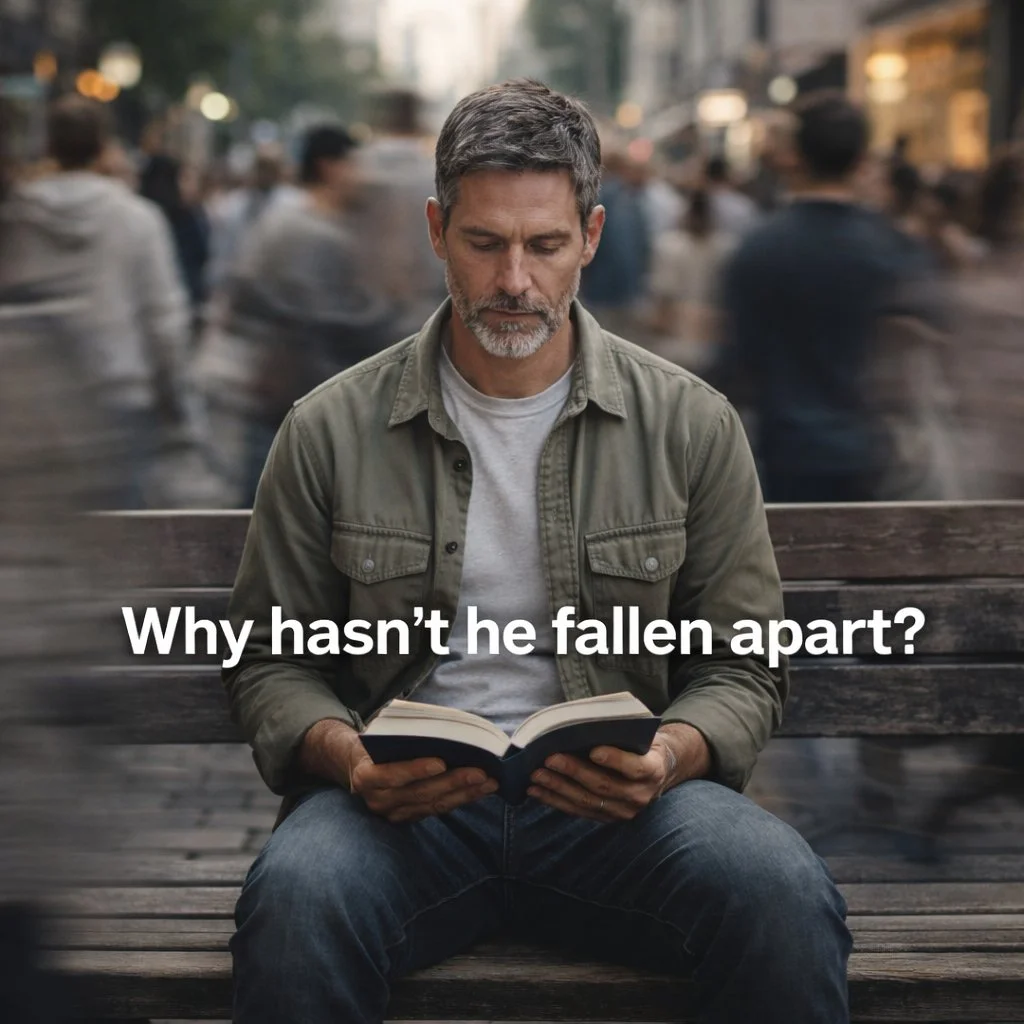
Peter tells Christians to be ready to give an answer for the hope within them. But that instruction assumes someone has already noticed something worth asking about.
What does a person see in a Christian’s life that causes them to ask:
“How can you possibly have hope?”
Visible Hope is a practical Bible study on living a faith that can be seen. It examines how biblical hope appears in our choices, habits, relationships, priorities, and responses to hardship.
Hope becomes visible when a believer remains steady in an unstable world; when integrity survives pressure, when kindness survives disagreement, and when discipline replaces distraction, outrage, fear, and complaint.
This study is less about making religious claims and more about whether our daily lives give those claims credibility.
This study explores:
why Christian hope should be visible
how actions give credibility to spiritual beliefs
what people notice when they watch a believer’s life
how anxiety, outrage, complaint, and distraction can undermine our witness
the connection between discipline and hope
why faith produces steadiness without denial
how God’s goodness anchors a life during uncertainty
how to answer questions about faith with humility and respect
why ordinary faithfulness can become a powerful witness
The Bible study kit includes:
a complete printable Bible study
Scripture-based teaching centered on 1 Peter 3:15
personal reflection and practical examples
group discussion questions
personal application exercises
a closing prayer
PowerPoint presentation slides
printable PDF versions of the study and slides
Best for:
personal Bible study
small groups and Sunday school
discipleship and mentoring
evangelism and outreach training
Christian witness and lifestyle studies
church leadership groups
believers who want their daily lives to reflect their faith more clearly
Estimated study time: 60–90 minutes for group use or 30–45 minutes for personal study.
Peter tells Christians to be ready to give an answer for the hope within them. But that instruction assumes someone has already noticed something worth asking about.
What does a person see in a Christian’s life that causes them to ask:
“How can you possibly have hope?”
Visible Hope is a practical Bible study on living a faith that can be seen. It examines how biblical hope appears in our choices, habits, relationships, priorities, and responses to hardship.
Hope becomes visible when a believer remains steady in an unstable world; when integrity survives pressure, when kindness survives disagreement, and when discipline replaces distraction, outrage, fear, and complaint.
This study is less about making religious claims and more about whether our daily lives give those claims credibility.
This study explores:
why Christian hope should be visible
how actions give credibility to spiritual beliefs
what people notice when they watch a believer’s life
how anxiety, outrage, complaint, and distraction can undermine our witness
the connection between discipline and hope
why faith produces steadiness without denial
how God’s goodness anchors a life during uncertainty
how to answer questions about faith with humility and respect
why ordinary faithfulness can become a powerful witness
The Bible study kit includes:
a complete printable Bible study
Scripture-based teaching centered on 1 Peter 3:15
personal reflection and practical examples
group discussion questions
personal application exercises
a closing prayer
PowerPoint presentation slides
printable PDF versions of the study and slides
Best for:
personal Bible study
small groups and Sunday school
discipleship and mentoring
evangelism and outreach training
Christian witness and lifestyle studies
church leadership groups
believers who want their daily lives to reflect their faith more clearly
Estimated study time: 60–90 minutes for group use or 30–45 minutes for personal study.